A Yorkie is a terrier in a toy dog’s body. They are affectionate, bold, clever and loud when they want to be. Most owners describe them as a big dog’s personality in a 4 to 7 pound package. Here is what living with one is really like, the good parts and the hard parts, so you can decide whether a Yorkie fits your home.
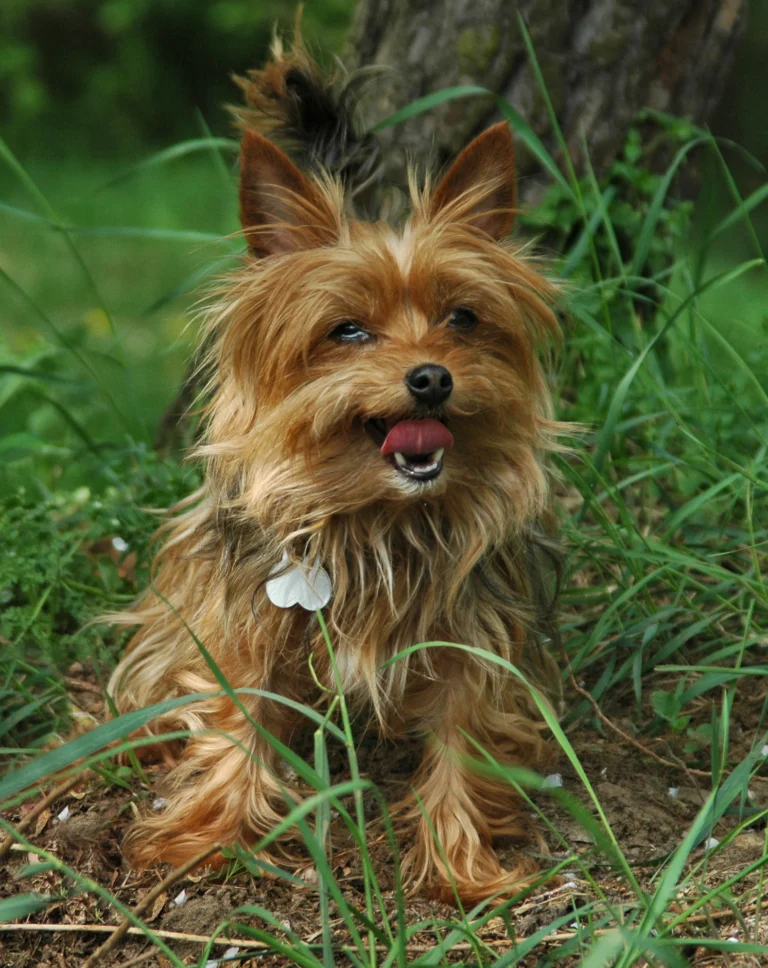
Yorkie personality at a glance
- Affectionate. Yorkies want to be with their people, usually in the same room and often on your lap.
- Brave and bossy. They were bred in 19th-century England to catch rats in mills and mines. That terrier confidence is still there.
- Alert. They notice everything and will tell you about it.
- Smart but stubborn. They learn quickly when there is something in it for them.
- Playful. Many stay puppyish well into adulthood.
Do Yorkies bark a lot?
They can. Yorkies make good little watchdogs, and without training that can turn into barking at every sound. The fix is early and gentle: reward quiet behavior, give a calm “thank you” when they alert you, and don’t shout, which only sounds like you are joining in. Plenty of exercise and play cuts down on boredom barking.
Are Yorkies good with children?
Yorkies love family life, but their small size makes them fragile. A fall from a child’s arms or a step from a toddler can cause a serious injury, and a frightened Yorkie may snap. They usually do best with children around six and older who can be gentle. Teach kids to sit on the floor to hold the puppy, and always supervise.
Yorkies with other dogs and cats
Raised together, most Yorkies get along well with other dogs and cats. Two things to watch:
- Big dogs. Your Yorkie may not know it is small. Supervise play with larger dogs until you are sure they are gentle.
- Small pets. That ratting history means hamsters, gerbils and pet rats may look like prey.
Separation and alone time
Yorkies bond closely, and some struggle when left alone. Teach alone time from the first week: short absences at first, a safe pen or crate, a chew toy, and calm arrivals and departures. A Yorkie that learns early that you always come back copes far better as an adult.
“Small dog syndrome” isn’t a personality trait
A Yorkie that growls, snaps or ignores commands usually learned that it could. Small dogs get picked up, carried away from problems and let off rules that a big dog would never get away with. Treat your Yorkie like a real dog: give it rules, train it with rewards and let it walk on its own four feet.
Training tips that suit Yorkies
- Keep sessions to 5 minutes, a few times a day.
- Use tiny treats and lots of praise. Harsh corrections backfire with this breed.
- Start socializing early: new people, sounds and surfaces, at your puppy’s pace.
- Start potty training the day your puppy comes home.
Male or female Yorkie?
Owners often say boys are a little more cuddly and girls a little more independent, but individual personality varies far more than gender. Meet the puppy on a live video call and ask the breeder how each puppy behaves with people and littermates.
Who a Yorkie suits best
A good fit: people who are home a lot, apartment dwellers, older couples, families with older children, and anyone who wants a close companion and does not mind regular grooming.
Think twice if: you have toddlers, you are out all day, you want a quiet dog, or you want a dog for long hikes or rough play.
For the full picture of the breed, read our Yorkshire Terrier guide.
Meet our puppies
See our Yorkie puppies for sale, such as Mikey and Nina, and ask us how each one behaves.